
How long does a brand strategy engagement take? It’s one of the first questions every client asks and one of the last ones most agencies answer clearly. So here’s a straight answer before anything else.
A brand strategy engagement at Blue Ridge takes eight to twelve weeks from kickoff to final delivery. That’s not a hedge. That’s the realistic timeline for doing the work right – the research, the strategy, the creative, the refinement, and the handoff of a brand system built to last.
What happens inside those eight to twelve weeks, why each phase takes as long as it does, and what can compress or extend that timeline… that’s what the rest of this post is about.
Why brand strategy takes longer than most clients expect
The businesses that come into a brand strategy engagement expecting a two-week turnaround almost always have the same assumption: that brand strategy is primarily a design exercise. Pick some colors, refine a logo, write a tagline. How long could that take?
The answer is that design is the last phase of a brand strategy engagement, not the first. Everything that makes the design meaningful – the competitive research, the audience insight, the positioning work, the messaging architecture – happens before anyone opens a design file. And that foundational work is what separates a brand that performs in market from one that just looks good in a presentation.
Rushing the strategy to get to the design faster is the single most common reason brand projects fail. The eight to twelve week timeline exists because the work requires it… not because agencies pad timelines to justify fees.
The phases of a Blue Ridge brand strategy engagement
Phase 1: Discovery – weeks one and two
Discovery is where the engagement earns its outcome. Before we build anything, we need to understand everything – your business, your market, your audience, your competitive landscape, and the gap between where your brand is and where it needs to be.
This phase includes a deep-dive kickoff session with your team, a competitive audit of the brands you’re operating against, audience research, and an honest assessment of what’s working in your current brand and what isn’t. The output of discovery isn’t a deliverable – it’s the intelligence that makes every subsequent phase smarter.
Discovery is also the phase where client responsiveness matters most. The more access we have to your team, your customers, and your thinking during this window, the stronger the strategy that comes out of it.
Phase 2: Strategy – weeks three and four
Strategy is where the intelligence from discovery becomes a framework. This phase produces the foundation the entire brand is built on… your positioning statement, your competitive differentiation, your messaging hierarchy, and your brand voice.
This is not the phase where things look like anything yet. It’s the phase where the thinking gets locked down. The positioning statement that defines exactly who you are and who you’re for. The messaging architecture that governs how you talk about your business across every channel. The competitive differentiation that makes you the obvious choice for the right client rather than one of several options.
Strategy is presented, reviewed, and refined before any creative work begins. If the strategy isn’t right, the creative built on top of it won’t be either. This phase doesn’t move until the strategic foundation is solid.
Phase 3: Creative development – weeks five through eight
This is the phase most clients have been waiting for. With a locked strategy in hand, the creative work begins – logo system, color palette, typography hierarchy, brand patterns, photography direction, and the visual language that expresses the strategy across every touchpoint.
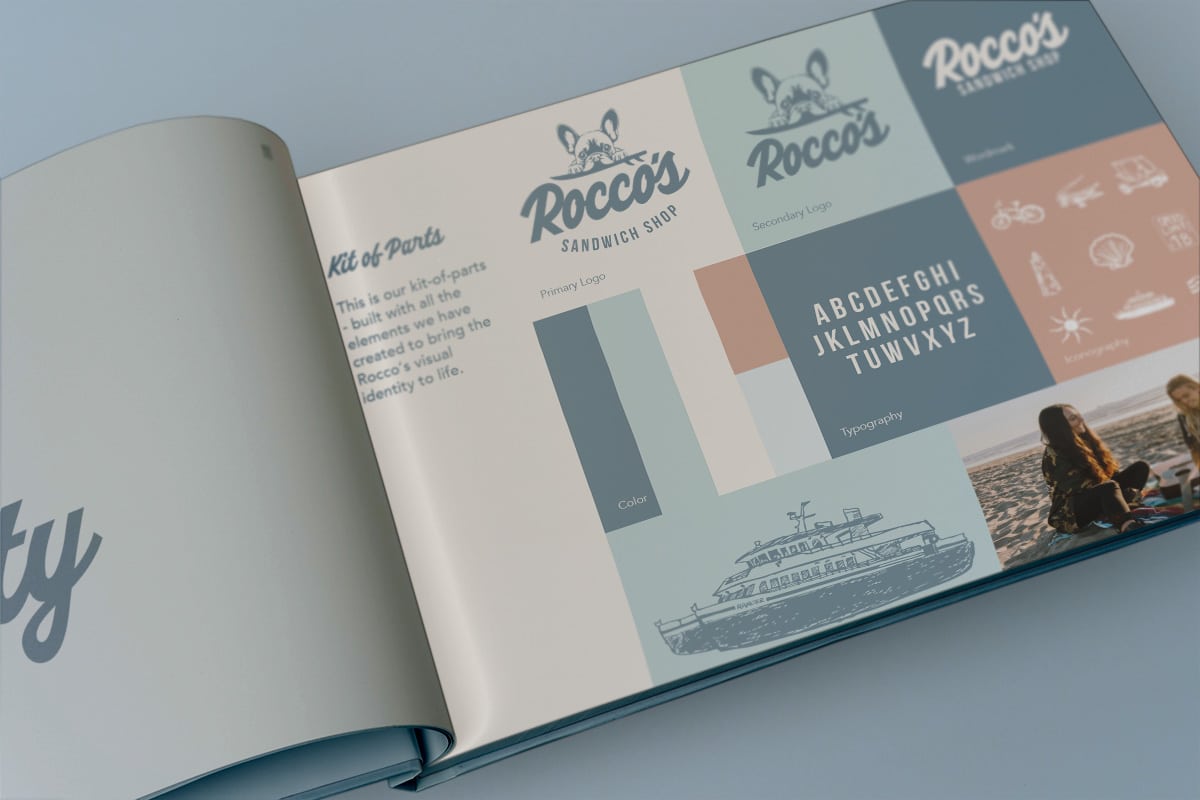
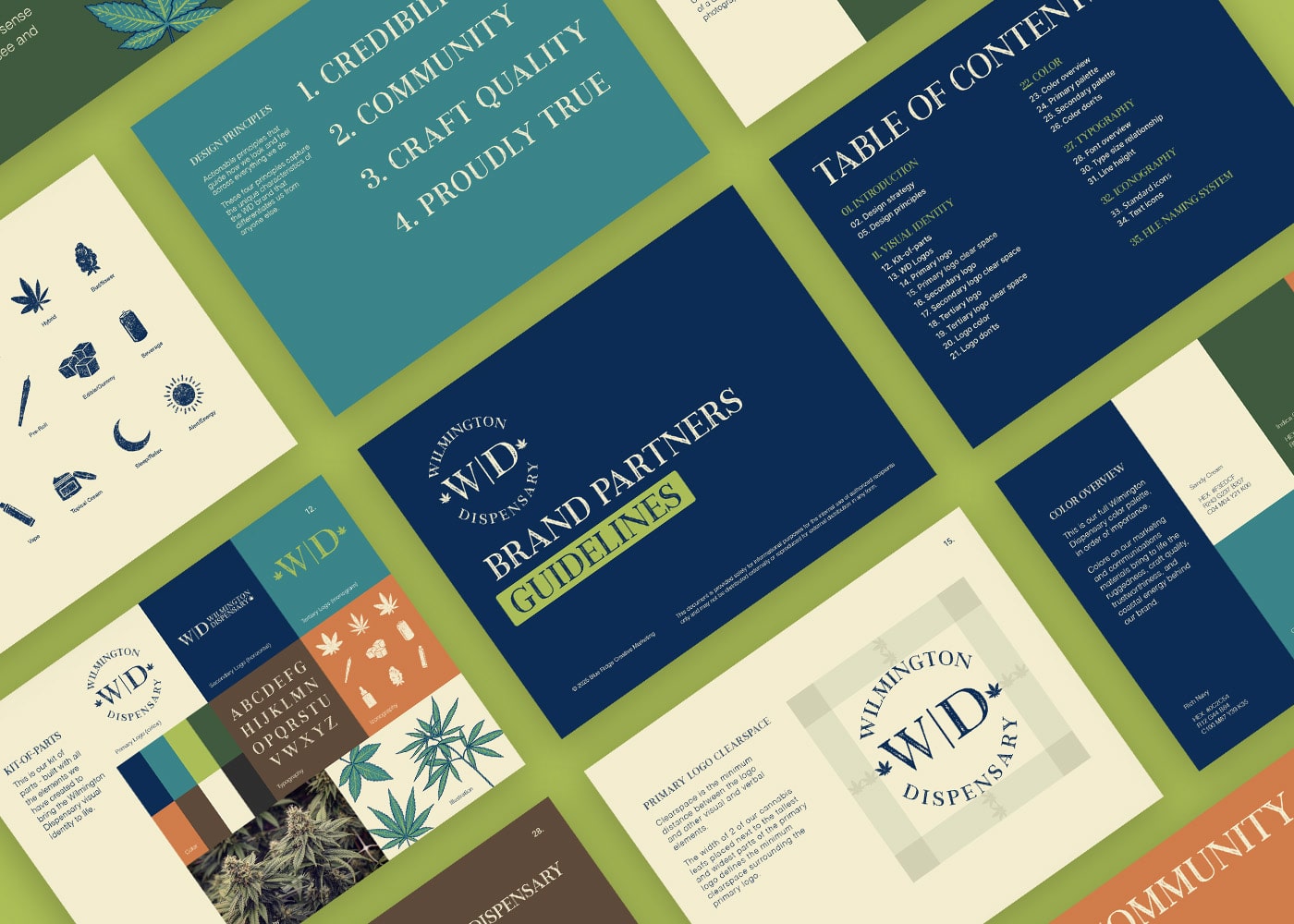
At Blue Ridge, creative development produces a complete brand identity system… not a single logo but a full suite of marks, a visual system with clear usage rules, and the design infrastructure that keeps your brand consistent whether it’s on a website, a product label, a storefront, or a pitch deck.
This phase typically includes one to two rounds of creative presentation and refinement. The first presentation shows the strategic creative direction. Feedback from that session shapes the refinement that leads to final creative. The number of revision rounds is defined upfront, not an open-ended process that extends indefinitely.
Phase 4: Refinement and handoff – weeks nine through twelve
The final phase takes approved creative to completion – finalizing every element of the brand system, building the brand guide that governs how everything is used, and packaging the deliverables for handoff.
The brand guide is not an afterthought. It’s the document that makes the brand durable – the reference that keeps your website developer, your printer, your social media manager, and your internal team all working from the same system. A brand without a guide is a brand that drifts. The guide is what keeps it consistent.
Handoff includes every file your team needs (logo files in every format, color codes in every system, font licenses, brand guide as a living document). The engagement doesn’t end when the creative is approved. It ends when everything is packaged, transferred, and your team knows how to use it.
What compresses the timeline
Client responsiveness is the biggest factor. The eight to twelve week timeline assumes reasonable turnaround on feedback and approvals – typically forty-eight to seventy-two hours between presentation and response. When clients move fast, engagements move fast.
Brand clarity at the start also accelerates the work. A client who comes to the engagement with a clear sense of their audience, their competitive position, and their business goals moves through discovery and strategy faster than one who’s still working those questions out. That’s not a criticism — sometimes the engagement itself is how those questions get answered. But it affects the timeline.
Scope is the third factor. A brand strategy engagement that includes naming, a tagline, sub-brand architecture, or campaign development alongside the core identity system takes longer than a foundational brand strategy and identity build.
What extends the timeline
Delayed feedback is the most common timeline killer. When approvals take two weeks instead of two days, the engagement stretches accordingly. Build internal alignment on your end before the project starts – know who has final approval on creative and make sure that person is available and engaged throughout.
Scope changes mid-engagement add time. A decision to add a brand name change or an additional brand extension after discovery is complete restarts parts of the process. Scope changes aren’t always avoidable, but they’re always worth understanding the timeline impact before they’re made.
Unresolved business questions slow the strategy phase. If fundamental questions about your positioning, your target audience, or your service mix are still open when discovery ends, strategy takes longer because the work has to answer those questions before it can build on them.
The question behind the question
When a business asks how long does a brand strategy engagement take, what they’re usually really asking is: how long until we can launch, how long until we can update the website, how long until the new brand is in market.
The honest answer is that eight to twelve weeks of brand strategy work produces something that should last five to ten years. The investment in doing it right – not rushing the strategy to get to the design, not compressing the timeline in ways that compromise the output – pays back in a brand that doesn’t need to be rebuilt in three years because it was built on a foundation that holds.
The brands that last are the ones that were built right the first time.
How Blue Ridge Creative Marketing runs brand strategy engagements
Eight to twelve weeks. Four defined phases. Clear milestones, defined revision rounds, and a handoff that leaves your team with everything they need to keep the brand consistent after we’re done.
If you’re planning a brand strategy engagement and want to understand what the timeline looks like for your specific scope, let’s talk. We’ll give you a straight answer on what’s realistic before you commit to anything.