
Most bars are on social media. Very few of them are using it to actually drive business.
There’s a version of bar social media that feels like a chore… posting a drink special on a Tuesday, reposting a guest photo on a Friday, going dark for two weeks because nobody had time. And then there’s bar social media done right – a consistent presence that builds regulars, drives event attendance, fills seats on slow nights, and makes the right person feel like they’re missing something every time they scroll past your content.
If you’re trying to figure out how to market a bar on social media in a way that actually moves the business, here’s what works.
Why Facebook and Instagram are still the right platforms for bars
TikTok gets a lot of attention in the hospitality marketing conversation. And for certain bar concepts (particularly those with a younger demographic and a willingness to invest in video production) it’s worth exploring. But for most bars, Facebook and Instagram are where the audience lives and where the marketing dollars produce the most consistent return.
Instagram is where guests go to decide. Before they walk through your door for the first time, they’ve already scrolled your feed. They’ve looked at your most recent posts to see if the vibe matches what they’re looking for. They’ve checked your Stories to see if anything’s happening tonight. Your Instagram presence is doing sales work every hour you’re not open – and it’s either closing that sale or sending the guest somewhere else.
Facebook is where your community lives. Events, private group coordination, neighborhood pages, local community groups – Facebook’s infrastructure for community and event marketing is still unmatched for bars trying to build a local regular base. An event posted on Facebook reaches people who are already in the habit of checking what’s happening this weekend. That’s a different and highly valuable audience than your Instagram followers.
Running both platforms well, with content built specifically for each, is how to market a bar on social media at the level that actually moves the needle.
The content that drives business vs the content that gets ignored
Here’s the mistake most bars make on social media: they post what’s convenient instead of what’s compelling. A photo of an empty bar taken on your iPhone with the caption “Come see us tonight!” is not marketing. It’s noise. It competes with every other piece of content in your customer’s feed and loses every time.
The content that drives business is specific, visual, and makes the viewer feel something. For a craft cocktail bar, it’s a slow-motion pour of a signature drink that makes someone think I need that. For a sports bar, it’s a packed house on game day that makes someone think I should have been there. For a taproom, it’s a new keg being tapped with the story behind the brewery that makes a craft beer enthusiast think I need to try that before it’s gone.
Every piece of content should answer one question: why would someone stop scrolling for this? If the answer isn’t clear before you post, don’t post it.
Instagram: what works for bars specifically
Your Instagram grid is basically your storefront. It’s the first thing a new follower sees when they land on your profile… and it shapes whether they follow, whether they visit, and whether they tell anyone about you.
For bars, the Instagram content that consistently performs falls into a few categories.
Drink content is the anchor. Your signature cocktails, your seasonal specials, your tap list – photographed or filmed in a way that makes them look like something worth going out for. This doesn’t require a professional photographer every time, but it does require intention. Lighting, composition, and the right moment make the difference between a drink photo that stops the scroll and one that disappears into the feed.
Atmosphere content is what sells the experience. A full house on a Friday night. The band setting up. The bartender mid-shake. The patio at golden hour. These posts don’t sell a specific drink… they sell the feeling of being there. And that feeling is what makes someone choose your bar over the one down the street.
Event content drives action. Trivia night, live music, tap takeovers, themed evenings – events give people a specific reason to come in on a specific night. Event posts on Instagram, boosted to a local audience, are one of the most cost-effective ways to fill seats on nights that would otherwise be slow.
Stories are where the personality lives. The polished grid builds the brand. Stories show what’s happening right now – tonight’s specials, the bartender’s recommendation, the sold-out tap that’s almost gone. Stories create urgency and intimacy in a way that feed posts don’t. Use them consistently and use them to make your followers feel like insiders.
Facebook: what works for bars specifically
Facebook’s algorithm has made organic reach harder than it used to be. But for bars, the platform’s event and community infrastructure more than makes up for it.
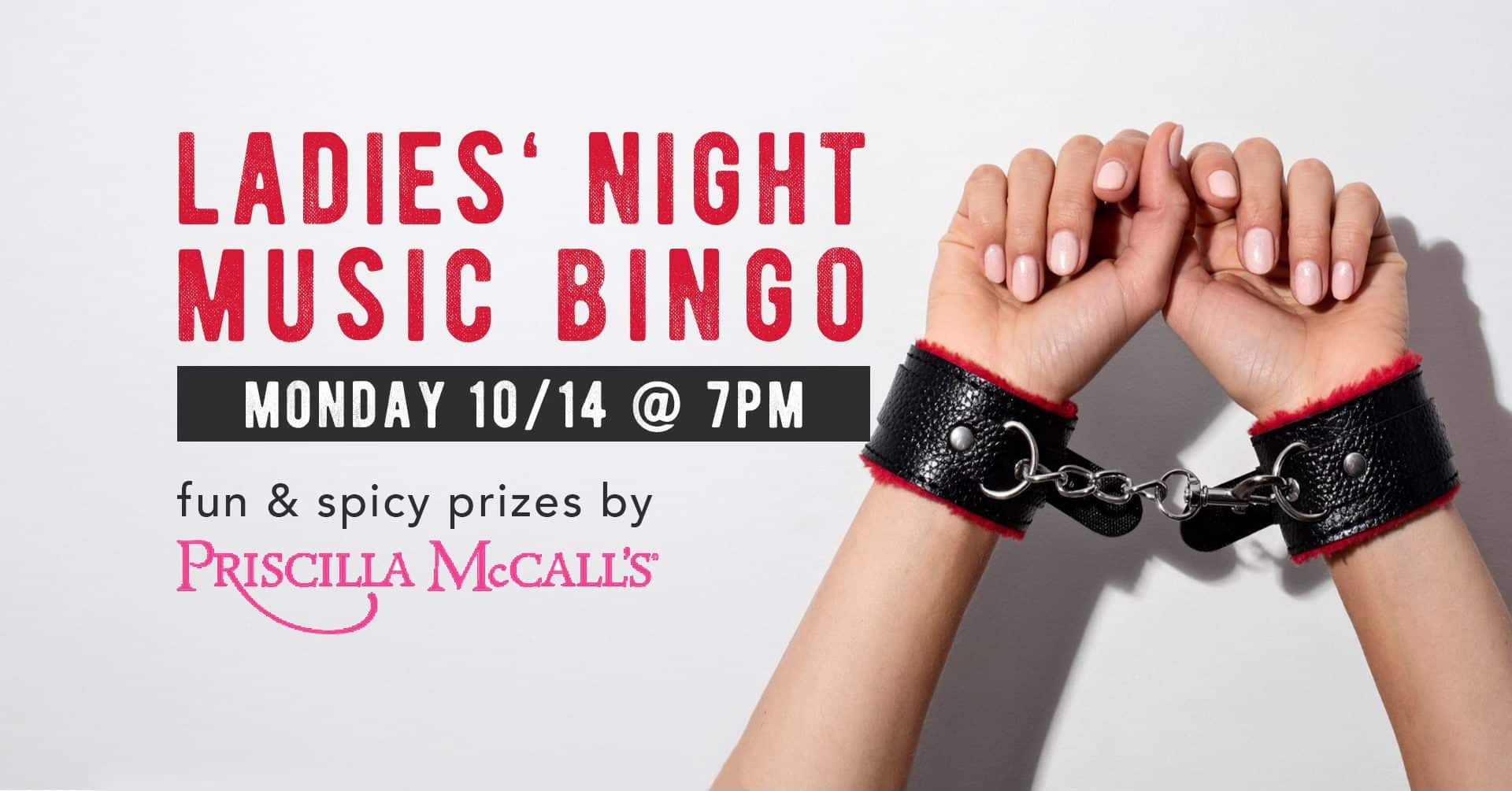
Events are Facebook’s biggest asset for bar marketing. When you create an event (a live music night, a beer release, a sports viewing party) Facebook distributes it to people who’ve indicated interest in similar events in your area. Your followers can mark themselves as going and their friends see it. That organic distribution is still one of the most effective ways to drive attendance for a specific night.
Community groups are underutilized by most bars and are one of the highest-return channels available. Local neighborhood groups, city subreddit communities, food and drink enthusiast pages – these are filled with people actively looking for recommendations and things to do. A bar that shows up authentically in these communities (not spamming promotional posts but genuinely participating) builds the kind of word-of-mouth that paid advertising can’t replicate.
Paid Facebook advertising for bars works best when it’s targeted locally and built around a specific event or offer rather than general brand awareness. A boosted event post targeting people within five miles of your bar who have shown interest in craft beer, live music, or local dining is a highly efficient spend. A generic “come visit us” ad targeted to a broad audience is not.
The posting cadence that actually works
Consistency matters more than frequency. A bar that posts three times a week every week builds a more valuable social presence than one that posts daily for two weeks and then disappears for a month.
For most bars, three to five posts per week on Instagram – a mix of drink content, atmosphere content, and event promotion – plus daily Stories is a sustainable cadence that maintains presence without burning out whoever’s managing it. On Facebook, event creation and one to two posts per week focused on community engagement and event promotion is the right level.
What matters more than the number of posts is the quality and intentionality of each one. Every post should have a point and match your brand. Every caption should do work. Every piece of content should be built around what you want the viewer to feel or do after they see it.
The metric that actually matters
It’s not followers. It’s not likes. It’s not reach.
It’s how many people walked through your door because of something they saw on social media. It’s the table that booked because they saw your event post. It’s the regular who came back because your Stories reminded them you existed. It’s the first-time guest who found you on Instagram, scrolled your feed, and decided you were worth trying.
That’s how to market a bar on social media in a way that connects to the actual business. Not vanity metrics. Seats filled.
How Blue Ridge Creative Marketing handles bar social media
We manage social media for bars and hospitality businesses across the Southeast, and we build every engagement around the same principle: content that reflects the brand and drives the business, not content that fills a posting schedule.
Before we post anything for a bar client, we understand the concept, the audience, the competitive landscape, and what success actually looks like for that specific business. The strategy, the content, and the reporting are all built around filling seats – not accumulating followers (unless that’s your main goal).
If your bar’s social media feels like a chore that isn’t producing results, let’s talk about what a real strategy looks like.